One Smart Cookie: A Designer’s Embroidery Review
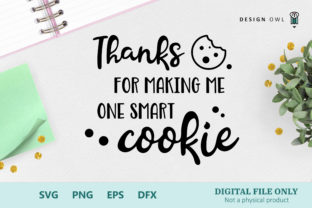
As a professional embroidery digitizer and product reviewer, I approach every new graphic with a specific question: will this actually stitch out well, or is it just a pretty screen image? When evaluating One Smart Cookie, my focus shifts immediately from the digital preview to the physical reality of needle and thread. This design, centered around the playful phrase "Thanks for making me one smart cookie," carries a distinct charm that appeals to teachers, parents, and gift-givers. However, translating a cut file aesthetic into a durable machine embroidery design requires careful consideration of structure, density, and end-use application.
First Impressions and Visual Personality
At first glance, One Smart Cookie exudes a warm, nostalgic, and appreciative mood. The typography suggests a hand-lettered or playful serif style that feels personal rather than corporate. For an Etsy seller or craft business owner, this visual personality is gold. It strikes the right balance between whimsical and legible, which is crucial for personalized gifts. The layout appears balanced, but as an embroiderer, I am looking at the negative space. Is there enough room between letters to prevent thread buildup? Does the cookie illustration rely on fine details that might get lost in fabric texture?
The design naturally belongs in the realm of appreciation gifts and educational themes. It doesn't feel like generic clip art; it feels like a sentiment meant to be shared. Whether you are creating teacher gifts, nursery decor, or boutique merchandise, the emotional resonance of the design is its strongest asset. However, emotion doesn't hold stitches together—technical execution does.
Real-World Application: Stitching a Teacher Appreciation Tote
To truly evaluate this asset, I mentally placed One Smart Cookie onto a canvas tote bag design intended for a teacher appreciation gift. Totes are a staple handmade product, but they present unique challenges due to their coarse weave and lack of stretch. In this scenario, the design needs to be bold enough to read from a distance but refined enough to look professional up close.
If I were producing this finished product, I would likely treat the text as a combination of satin stitch for smaller elements and fill stitch for larger lettering to manage stitch density. The cookie graphic itself offers an opportunity for mixed media. As an applique design, the cookie shape could be executed in felt or cotton, reducing stitch count and adding tactile interest. This hybrid approach is highly effective for commercial embroidery because it lowers production time while increasing perceived value. A fully stitched cookie might become too dense on canvas, causing puckering, whereas appliqué keeps the bag soft and pliable.
For sweatshirt embroidery, the strategy shifts. Fleece fabrics swallow detail. Here, One Smart Cookie would need slightly increased spacing and perhaps a topping stabilizer to ensure the letters don't sink into the pile. The sentiment is perfect for school staff apparel, but only if the legibility remains intact after washing and wearing.
Navigating Fabric Constraints and Hoop Limitations
Not every project is a forgiving canvas tote. When applying One Smart Cookie to more difficult substrates, caution is required. I would be hesitant to use the full design on stretchy knits without significant modification. The combination of text and graphics can create a rigid patch of stitching that distorts lightweight jersey or performance wear. For baby embroidery on onesies, scaling down is necessary, but this introduces the risk of tiny lettering becoming illegible. If the text drops below 0.25 inches in height, standard running stitch or satin columns may fail. In such cases, simplifying the design to just the cookie icon or using a blockier font variant is the smarter choice.
Dark fabrics also demand attention. While the provided embroidery file types (SVG, PNG, EPS, DFX) are versatile for cutting and printing, embroidery requires specific color mapping. On a navy apron or black cap, white thread provides contrast, but you must account for underlay. Without proper underlay stitches, the top thread will pull into the dark fabric, muddying the crisp edges of the cookie shape. Furthermore, curved surfaces like caps limit your usable area. The horizontal spread of "Thanks for making me one smart cookie" might exceed the safe zone of a standard cap frame, requiring you to arc the text or split the design into two separate hoopings.
Impact on Product Value and Customer Trust
In the competitive landscape of digital product sellers and makers, presentation is everything. Using One Smart Cookie effectively can significantly elevate your brand consistency. A clean, well-executed stitch-out signals professionalism. Conversely, a design that pulls, gaps, or sinks destroys buyer confidence. When customers see high-quality photos of this design on a printable mockup or actual sample, they trust that the final item will match that standard.
This design has high giftability. It solves a problem for the buyer: how to say thank you in a way that feels special. For small shop products, this translates to higher conversion rates during back-to-school seasons or holiday rushes. However, this value is contingent on execution. A poorly stabilized holiday embroidery project looks cheap, regardless of how cute the source graphic is. Your reputation as a maker is tied directly to how well you adapt this digital embroidery file to your specific materials.
Essential Technical Notes for Makers
Before you load One Smart Cookie into your machine or list it in your shop, adhere to these practical guidelines:
- Verify File Compatibility: The product includes SVG, PNG, EPS, and DFX files. These are excellent for vinyl cutting and sublimation, but confirm you have a dedicated embroidery format (like PES, DST, or JEF) or plan to digitize the vector art yourself before attempting to stitch.
- Test on Scrap Fabric First: Never run a new design on a final product without a test sew. Check thread colors against your specific fabric swatch. What looks good on screen may clash or disappear in real life.
- Assess Stabilizer Needs: Match your backing to the fabric weight. Use cut-away for stretchy items and tear-away for stable wovens. For the cookie element, consider a water-soluble topping if working on textured towels or fleece.
- Check Licensing Terms: Before selling custom apparel or design assets featuring this phrase, review the original license. Ensure you have commercial rights for both physical goods and digital previews.
- Evaluate Small Details: Inspect the design at your intended size. If internal details of the cookie face are smaller than 1mm, they may need to be removed or simplified to prevent needle breaks and thread nests.
- Mockup Realistically: When creating listings, use mockups that show realistic fabric texture and stitch direction. Avoid flat, vector-only images for embroidery listings, as they set false expectations for buyers.
Final Thoughts for the Creative Entrepreneur
One Smart Cookie is a delightful addition to any crafter's library, particularly those serving the education and gifting markets. Its strength lies in its emotional connection and versatility across Crafts and Graphics categories. However, success depends entirely on your willingness to treat it as a starting point rather than a finished solution. By respecting the physics of thread and fabric, testing rigorously, and adapting the design to suit specific embroidery projects, you can transform this charming graphic into a best-selling personalized gift or a cherished piece of custom apparel. Always let practical judgment guide your creative process, and your results will consistently delight your customers.