Hello Second Grade: A Designer’s Embroidery Review
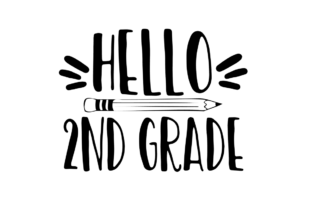
As a professional embroidery designer and product reviewer, I approach every new graphic with a critical eye toward its stitchability. When evaluating Hello Second Grade, my first thought isn't just about the cute aesthetic; it is about how those lines will translate into thread on fabric. This design captures the excitement of back-to-school season perfectly, but for makers, Etsy sellers, and apparel decorators, the real value lies in its versatility as a machine embroidery design. Having received this asset in both SVG and Transparent PNG formats, I can immediately see its potential for both digital mockups and physical production, provided you understand its behavior under the needle.
First Impressions and Visual Personality
The layout of Hello Second Grade strikes a balance between playful and legible. For second-grade teacher gifts or student apparel, clarity is paramount. The typography appears bold enough to support satin stitch columns without becoming too dense, which is a common pitfall in school-themed graphics. Visually, it evokes a sense of cheerful anticipation. As a graphics asset within the Crafts category, it avoids overly intricate shading that often gets lost in translation during digitizing. Instead, it relies on strong shapes and clear negative space, making it an ideal candidate for applique design techniques or clean fill stitch backgrounds. This visual simplicity is actually a strength; it allows the design to remain recognizable even when scaled down for smaller projects like patches or sleeve cuffs.
Real-World Application: The Teacher Sweatshirt Test
To truly judge this design, I mentally placed it in a specific production scenario: creating a custom crewneck sweatshirt for a second-grade teacher. This is a high-demand item for small shop products and craft business owners during late summer. In this context, Hello Second Grade needs to perform on fleece-backed cotton, a fabric with significant texture and stretch.
For this sweatshirt embroidery project, the design’s proportions are key. If utilizing the SVG file to create a custom digitized version, I would recommend keeping the overall width between 4 and 6 inches for a left-chest placement. This size ensures the lettering remains open and readable. If you are using the Transparent PNG as a base for tracing or sublimation combined with embroidery, the crisp edges make alignment significantly easier. The mood of the design fits perfectly on neutral-toned sweatshirts—think heather grey, cream, or sage green—where the thread colors can pop without fighting the fabric texture. Customers looking for personalized gifts want something that looks professionally made, not homemade, and this design’s balanced composition supports that level of perceived value.
Navigating Fabric Challenges and Hoop Sizes
While Hello Second Grade is versatile, it requires careful consideration regarding fabric choice and hoop size. Not all back-to-school projects are created equal. Here is where practical judgment matters most:
- Stretchy Knits and Fleece: When stitching this onto t-shirts or sweatshirts, stitch density becomes your primary concern. If the design includes large fill stitch areas, ensure your stabilizer is adequate. A cut-away stabilizer is non-negotiable here to prevent puckering around the letters after washing.
- Textured Fabrics: On items like canvas tote bags or tea towels, the fabric texture can swallow fine details. If Hello Second Grade features thin running stitch accents, consider increasing the stitch length or converting them to satin stitches to ensure they sit on top of the weave rather than sinking in.
- Small Hoop Limitations: Be cautious if resizing this design for 4x4 hoops. Reducing text-based designs below 70% of their original size often results in thread breaks and illegible characters. Always verify the minimum safe size before committing to baby embroidery or pocket-sized placements.
- Dark vs. Light Fabrics: Test your thread colors against dark backgrounds. White or light-colored satin stitches on navy fabric may require an underlay to prevent the fabric color from showing through the stitches, which adds density. Conversely, on white fabric, ensure your outline contrast is sharp enough to define the shape.
Commercial Viability for Makers and Sellers
For Etsy sellers and creative entrepreneurs, Hello Second Grade offers strong commercial potential because it targets a specific, recurring niche. Second-grade teachers and parents buy these items annually. However, professionalism dictates more than just good design; it requires technical reliability. When listing finished products featuring this design, your photos must reflect accurate stitch quality. Use the provided Transparent PNG to create printable mockups for your listings, but always supplement these with photos of actual stitched samples. Buyers trust handmade products more when they can see the texture and scale of the embroidery.
Furthermore, consider the licensing. Before selling digital embroidery files derived from this graphic or mass-producing merchandise, confirm the commercial use terms associated with your purchase. Protecting your craft business means respecting intellectual property while delivering unique value. This design works exceptionally well for bundled offerings—pairing a "Hello Second Grade" shirt with a matching tote bag design creates a higher average order value and showcases brand consistency.
Essential Technical Notes for Success
Before you load this design into your machine or finalize your product line, adhere to these professional best practices to ensure customer satisfaction and reduce waste:
- Always Stitch Out a Sample: Never run a final product without a test stitch-out on scrap fabric that matches your project weight. Check for registration issues between color changes.
- Evaluate Thread Contrast: View your thread selection in natural lighting. Colors that look distinct on a screen may blend together in thread form, reducing the impact of the Hello Second Grade message.
- Check Stabilizer Pairings: Match your stabilizer to the fabric, not just the design. Lightweight knits need different support than heavy denim aprons.
- Inspect Small Details: If the design includes tiny decorative elements like stars or pencils, ensure they are large enough to stitch cleanly. Elements under 2mm often cause needle deflection or thread nests.
- Verify File Compatibility: While you receive SVG and PNG, ensure your digitizing software or machine can interpret these correctly if you are creating your own DST/PES files. Do not assume auto-digitizing will yield professional results without manual adjustment.
- Wash Testing: For items intended for frequent use like kitchen towels or kids' clothing, wash and dry your sample to check for shrinkage or stitch distortion before selling.
Final Thoughts on Design Integrity
Hello Second Grade is more than just a seasonal graphic; it is a functional tool for creators who understand the intersection of digital art and textile craft. Its success in your shop depends entirely on your technical execution. By respecting stitch density, choosing appropriate stabilizers, and testing thoroughly, you transform a simple digital file into a cherished personalized gift or a best-selling boutique item. Whether you are crafting a single holiday gift for a favorite educator or building a comprehensive back-to-school collection for your Etsy store, treat this design with the same precision you would apply to any complex commercial embroidery project. The result will be a product that honors both the design's intent and your reputation as a skilled maker.