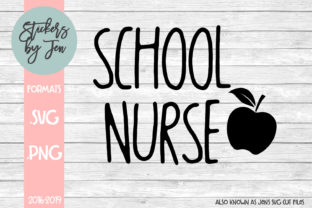
School Nurse Design Review: Practical Stitching Insights
As a designer who regularly bridges the gap between digital graphics and tangible textiles, I approach every new asset with a critical eye. When evaluating the School Nurse digital cut file for potential embroidery adaptation, my first thought is not just about how it looks on a screen, but how it will translate through a needle and thread. This listing provides SVG and PNG formats optimized for die-cutting machines like Cricut and Silhouette Cameo, but for those of us in the machine embroidery design space, these vector assets serve as invaluable blueprints. Before you commit this graphic to fabric for a client project or shop inventory, it is essential to understand how its lines, shapes, and thematic elements will perform in a real-world stitching environment.
Translating Vector Lines to Thread Paths
The visual personality of the School Nurse graphic strikes a balance between professional recognition and nostalgic warmth. It carries a mood that is trustworthy yet approachable, which is exactly what you want for healthcare-related apparel or gifts. However, moving from an SVG cut file to an embroidery file requires intentional interpretation. Vectors are mathematically perfect; thread has physical limitations. As I review the contours of this design, I am immediately assessing where a satin stitch would enhance the bold outlines and where a fill stitch might be necessary for larger solid areas.
For crafters and Etsy sellers, this design offers a strong foundation for customization. Because it originates as a scalable vector graphic, you have the freedom to adjust line weights before digitizing. If you plan to use this for custom apparel like sweatshirts or t-shirts, ensure the internal details are thick enough to accommodate standard 40-weight thread without causing puckering. Conversely, if you are adapting this for a smaller application like an embroidered patch or cap, you may need to simplify intricate corners to prevent needle breaks or registration issues. The versatility of the source file is a major asset, provided you respect the physics of embroidery during the conversion process.
Real-World Application: The Custom Tote Bag Scenario
To truly evaluate the viability of School Nurse for commercial or personal use, let’s look at a specific case study. Imagine creating a personalized canvas tote bag as a retirement gift or a practical accessory for a current school nurse. Canvas is a fantastic medium because its tight weave supports detailed stitching, but it also demands proper stabilization.
In this scenario, I would treat the School Nurse graphic as a centerpiece. Using the SVG as a template, I would digitize the outer border with a sturdy satin stitch to frame the design, giving it a polished, boutique-quality finish. For the interior elements, a combination of running stitches for fine details and light fill stitches for shading would keep the design flexible. A heavy, dense embroidery design on a tote bag can make the fabric stiff and unappealing to touch. By leveraging the clean lines of this graphic, we can create a tote bag design that feels handmade and thoughtful rather than mass-produced.
This specific application highlights why checking your stitch density is non-negotiable. School nurses carry heavy loads; their gear needs to be durable. If the design is too dense, it could compromise the structural integrity of the bag over time. If it is too sparse, it might look cheap. Finding that sweet spot ensures the finished product maintains high perceived value and customer trust.
Navigating Fabric Challenges and Hoop Limitations
While School Nurse is visually adaptable, certain substrates require caution. This design likely contains text or small iconography inherent to the nursing theme. When working with textured fabrics like terry cloth towels or fleece blankets, small details can easily get lost in the pile. In these instances, I strongly recommend using a water-soluble topping to keep the stitches visible and crisp. Without it, even the most beautifully digitized version of this graphic will fail to read clearly.
Stretchy fabrics present another hurdle. If you are applying this to a performance wear scrub top or a baby onesie, the tension of the hoop combined with the pull of the stitches can distort the image. Always use an appropriate stabilizer—cut-away for knits, tear-away for wovens—and consider basting the fabric within the hoop before stitching begins. For baby embroidery specifically, ensure the back of the design is smooth against sensitive skin. You may need to reduce density or use a softer backing material to maintain comfort.
Hoop size is another practical constraint. While the SVG scales infinitely, your machine does not. Before purchasing or digitizing, confirm that the aspect ratio of School Nurse fits your available hoops without excessive resizing. Resizing an embroidery design by more than 10-20% can alter stitch counts and densities unpredictably. If you have a smaller hoop, focus on cropping the design to highlight a key element, such as the caduceus symbol or a heart motif, rather than shrinking the entire composition until it becomes muddy.
Commercial Viability and Brand Consistency
For small business owners and creative entrepreneurs, School Nurse represents more than just a pretty picture; it is a potential revenue stream. However, professionalism dictates consistency. If you are selling personalized gifts or small shop products, this design should align with your brand aesthetic. Does the font style match your other listings? Is the color palette cohesive?
When creating printable mockups for your Etsy listing, use the included PNG file to showcase how the design looks on various garments. Customers need to visualize the end result. Show the design on a dark navy scrub top and a white cardigan to demonstrate contrast. Remember that thread colors behave differently than digital pixels. A red that pops on screen might look maroon in rayon thread. Always test your thread colors against the actual fabric you intend to sell.
Furthermore, clarity builds trust. Ensure your product photos show close-ups of the stitch texture. Buyers want to see that the satin stitch edges are clean and the registration is precise. High-quality presentation of the School Nurse design signals that you care about craftsmanship, which justifies premium pricing for your handmade products.
Essential Pre-Stitch Checklist for Makers
Before you load the hoop and press start, run through this practical checklist to ensure success with the School Nurse asset:
- Verify Licensing: Since this is a digital asset, confirm whether your purchase includes commercial rights for selling finished embroidered items versus just personal use.
- Test on Scrap: Never stitch directly onto a final product without a test run. Use similar fabric weight and weave to check for puckering or gaps.
- Check Contrast: View the design in black and white to ensure tonal separation exists. If the nurse's cap blends into the background fabric, adjust thread selection.
- Review Small Text: If the SVG contains tiny lettering, verify it meets the minimum height requirements for legible embroidery (usually at least 6mm).
- Stabilizer Match: Select stabilizer based on fabric drape and stretch, not just design density.
- Mockup Validation: Compare your digital preview against a physical sample to calibrate customer expectations.
Final Thoughts on Design Adaptation
The School Nurse digital cut file is a versatile starting point for makers willing to put in the technical work. Its clean aesthetic lends itself beautifully to holiday embroidery, staff appreciation gifts, and boutique merchandise. By treating the SVG as a guide rather than a final destination, you honor both the original art and the medium of embroidery. Whether you are crafting a single personalized gift or building a collection of commercial embroidery products, success lies in the details. Respect the fabric, test your parameters, and let the quality of your stitching elevate this graphic into something truly special.