Afro Woman Teacher Life Design: An Embroidery Review
When evaluating digital assets for a craft business or personal embroidery project, the difference between a generic graphic and a stitch-ready masterpiece often lies in the details. As a designer who regularly tests files before committing them to fabric, I approached the Afro Woman, Teacher Life, Afro Hair collection with a critical eye toward practical application. This isn't just about how the image looks on a screen; it is about how those vectors translate into thread, texture, and tangible value for handmade products. Whether you are an Etsy seller looking for your next bestseller or a hobbyist creating a personalized gift, understanding the technical and aesthetic nuances of this design is essential for success.
First Impressions and Visual Personality
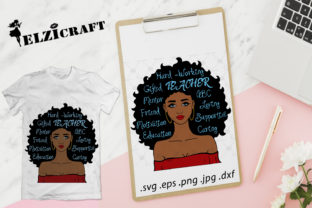
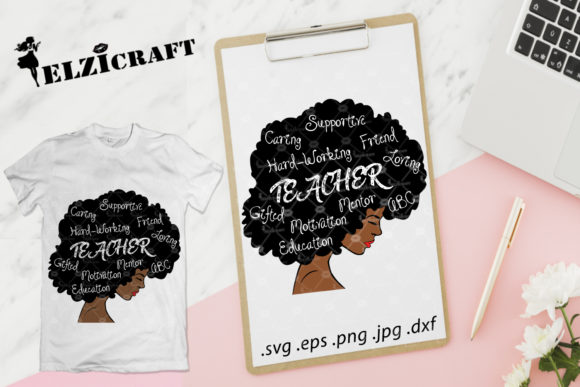
My initial assessment of the Afro Woman, Teacher Life, Afro Hair graphics focused on mood and layout. The silhouette style inherent in this theme suggests bold shapes rather than intricate photorealism, which is generally excellent news for machine embroidery. Visually, the design carries a sense of pride, warmth, and professional identity. The afro hair element provides a beautiful, organic shape that contrasts well with the structured typography often associated with "Teacher Life" motifs.
From a design hierarchy perspective, the balance feels right for apparel. The focal point is clearly the figure, with supporting text elements that frame rather than clutter. For a crafter, this visual clarity is promising. It avoids the common pitfall of overly dense artwork that turns into a bulletproof vest when stitched out. Instead, it promises a design that breathes, allowing the fabric texture to remain part of the finished product's appeal. This makes it particularly suitable for items where comfort matters, such as sweatshirt embroidery or soft cotton tote bags.
Real-World Application: The Custom Sweatshirt Test
To truly judge this asset, I mentally walked through a specific production scenario: creating a custom crewneck sweatshirt for a teacher appreciation order. In this context, the Afro Woman, Teacher Life, Afro Hair file needs to perform under real-world constraints. Sweatshirts have fleece backing and stretch, meaning the embroidery file must be stable enough to prevent puckering but light enough to maintain the garment's drape.
If utilizing the SVG or EPS versions for an applique design, the afro shape offers a fantastic opportunity for mixed-media texture. I envision using a textured wool felt or a contrasting cotton print for the hair portion, secured with a satin stitch border. This reduces overall stitch density significantly compared to a full fill stitch version, making the sweatshirt more comfortable to wear. The PNG file at 300dpi serves as an excellent reference for digitizing thread colors, ensuring the skin tones and accessories match the original artist’s intent. For a small shop product like this, the versatility of having both cutting files (DXF/SVG) and high-resolution raster images allows for hybrid workflows—perhaps offering matching vinyl decals for water bottles alongside the embroidered apparel.
Navigating Fabric Limitations and Hoop Sizes
While the design is versatile, experienced makers know that not all substrates play nicely with every graphic. When working with Afro Woman, Teacher Life, Afro Hair, careful consideration of fabric texture is non-negotiable. If you plan to stitch this on a tea towel or linen apron, the natural weave may cause tiny details in the facial features or script lettering to get lost. In these cases, simplifying the design or increasing the running stitch width during digitization is advisable.
Stretchy fabrics like jersey knits require aggressive stabilization. Because this design likely includes curved elements representing hair, there is a risk of distortion if the hoop size is too large or the stabilizer too weak. I always recommend testing on scrap fabric first. Additionally, be wary of placing detailed sections of this design over seams or collar bones on baby clothes or caps. The elevation changes in these areas can cause needle deflection or registration errors. For cap embroidery specifically, ensure the vertical height of the afro element fits within your machine’s cap frame limits, as tall silhouettes can sometimes exceed standard curved hoop boundaries.
Elevating Product Value and Customer Trust
In the competitive landscape of commercial embroidery and digital product sales, presentation dictates perceived value. Using the provided 300dpi PNG for printable mockups helps customers visualize the final result accurately before purchasing. However, nothing builds trust like accurate representation. If the Afro Woman, Teacher Life, Afro Hair design is used for holiday embroidery or boutique branding, the stitching quality must match the crispness of the digital file.
Clean satin stitches around the afro perimeter and legible text contribute directly to buyer engagement. A messy edge or sinking fill stitch signals amateur work, regardless of how beautiful the source vector is. By treating this graphic as a premium design asset and executing it with professional stabilizers and proper tension, you elevate the entire category of teacher-themed crafts. This attention to detail transforms a simple embroidered patch or pillow cover from a novelty item into a cherished, high-quality keepsake that customers are proud to display or gift.
Essential Technical Notes for Makers
Before loading this design into your machine or listing it in your shop, run through this practical checklist derived from professional review standards:
- Verify File Compatibility: While DXF, SVG, EPS, and PNG formats are included, always confirm they open correctly in your specific embroidery software or cutting machine interface before starting a paid job.
- Check Licensing Terms: Confirm whether your purchase allows for commercial use of finished products versus selling the digital embroidery file itself. This distinction is vital for Etsy sellers and small business owners.
- Assess Stitch Density: If digitizing from the SVG/EPS yourself, adjust density based on fabric weight. Fleece requires different coverage than quilting cotton.
- Test Color Contrast: View the PNG in black and white to ensure the afro silhouette remains distinct against various shirt colors. Low contrast can make the design disappear on dark fabrics without adequate underlay or outline.
- Validate Small Details: If the design includes glasses, earrings, or fine hair strands, test stitch these elements. They may need to be simplified into running stitches or removed entirely for smaller hoop sizes.
- Mockup Accuracy: Use the high-res PNG to create realistic previews, but add a disclaimer that actual thread texture varies from digital prints. This manages customer expectations effectively.
Final Thoughts on Design Versatility
The Afro Woman, Teacher Life, Afro Hair collection represents a strong intersection of cultural representation and functional crafting utility. Its strength lies in its adaptability across different mediums, from the precision of laser-cut vinyl using the DXF file to the tactile warmth of embroidered apparel. For the creative entrepreneur, it offers a solid foundation for seasonal collections, personalized gifts, and brand expansion.
However, the true potential of this graphics package is unlocked only through mindful execution. By respecting the relationship between digital vectors and physical thread, and by acknowledging the limitations of different fabrics and hoop sizes, you ensure that every finished product honors the original artistry. Whether you are crafting a single holiday gift or stocking a boutique with custom apparel, approaching this design with technical diligence and creative respect will yield results that satisfy both the maker and the recipient. Always remember that in embroidery, the file is merely the blueprint; your expertise brings the structure to life.