Librarian, the Original Search Engine: A Stitch Review
As an embroidery designer who has digitized and tested thousands of files for commercial production, I approach every new machine embroidery design with a healthy dose of skepticism. We have all downloaded files that look perfect on screen but turn into thread nests or distorted shapes once the needle hits the fabric. When evaluating "Librarian, the Original Search Engine," my primary focus is not just the clever concept, but how this digital asset translates into a tangible, sellable handmade product. This design sits squarely in the intersection of nostalgia and utility, making it a strong contender for specific niches within the School Amp and general Crafts categories.
First Impressions and Visual Hierarchy
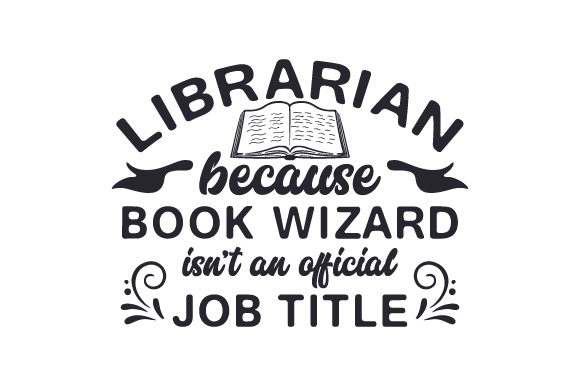
Upon opening the provided assets, which include SVG, Transparent PNG, EPS, and DXF formats, the immediate strength of Librarian, the Original Search Engine is its typographic balance. For those of us working with digital embroidery file conversions or sublimation hybrids, having the vector source (SVG/EPS) is non-negotiable. It allows us to verify line integrity before committing to stitch generation. The design captures a retro-academic aesthetic that feels authentic rather than costume-like. Visually, it communicates intelligence and warmth simultaneously, avoiding the sterile look of modern tech logos while steering clear of overly dusty antique vibes.
For an Etsy seller or boutique owner, this visual personality is crucial. It signals to the buyer that the item was curated with intention. The layout suggests a centered composition that would anchor beautifully on a chest placement or tote bag center. However, as a reviewer, I immediately look at the negative space. Is there enough breathing room between elements to prevent puckering? In this case, the spacing appears intentional, allowing for adequate stabilizer coverage without the design feeling sparse.
Real-World Application: The Canvas Tote Test
To truly judge this design, I mentally placed it into a real production scenario: creating a premium canvas tote bag design for a library fundraiser or a teacher appreciation gift. Totes are unforgiving; they are handled roughly, washed frequently, and often made of textured cotton duck canvas that can swallow fine details.
In this context, Librarian, the Original Search Engine performs best when treated as a mixed-media or bold graphic piece. If you are converting this for embroidery, I recommend leaning into fill stitch textures that mimic vintage print rather than high-density satin columns. High density on canvas leads to stiffness and potential needle breaks. Instead, utilizing a lighter stitch density preserves the drape of the bag. The phrase "Original Search Engine" offers a fantastic opportunity for contrasting thread colors. Imagine a cream-colored tote with deep forest green text and burgundy accents. This color blocking not only enhances readability from a distance but also increases the perceived value of the custom apparel or accessory.
For small shop product lines, this design bridges the gap between niche humor and broad appeal. It works exceptionally well for personalized gift sets targeting educators, researchers, and book lovers. Unlike generic seasonal designs, this has year-round relevance, making it a reliable evergreen asset for your inventory planning.
Fabric Compatibility and Technical Caution Zones
While the design is versatile, my experience dictates caution in specific applications. Not every embroidery project is suitable for this level of detail. Here is where you need to be strategic:
- Stretchy Fabrics: If applying this to a lightweight knit t-shirt or baby onesie, you must use a heavy cut-away stabilizer. The design’s likely combination of text and graphical elements creates variable pull. Without proper support, the "Librarian" text could distort after the first wash, ruining the baby embroidery or adult tee.
- Curved Surfaces: Be wary of using this on structured caps. Unless the design is specifically digitized for curved hoops, the horizontal alignment of the text may warp. Always test on a scrap cap first or resize significantly to fit the safe stitch area of a hat frame.
- Textured Home Goods: For tea towels or pillow covers with slubbed linen, avoid tiny serif fonts if they exist in the design. Opt for bolder interpretations or use the SVG to simplify edges before stitching. Fabric texture can obscure fine lines, making the "search engine" joke illegible.
- Dark Fabrics: While the transparent PNG helps visualize placement, remember that dark backgrounds require higher contrast thread. Avoid tone-on-tone styling here; the wit of the design relies entirely on legibility.
Commercial Viability and Brand Consistency
For creative entrepreneurs and craft business owners, consistency builds trust. Librarian, the Original Search Engine serves as an excellent branding element because it is distinct yet adaptable. Whether you are producing sweatshirt embroidery for fall collections or holiday embroidery gifts for winter, the theme remains cohesive. This recognition factor is vital for repeat customers who associate your shop with thoughtful, intellectual aesthetics.
Furthermore, the inclusion of multiple file formats adds significant value for sellers who operate across platforms. You might use the SVG for laser-cut leather patches, the PNG for printable mockup listings on Etsy, and the DXF for vinyl cutting on tumblers. This multi-format utility maximizes your ROI on the design asset. However, always verify your licensing rights regarding commercial embroidery and digital resale before listing finished products or modified files.
Designer Notes for Professional Results
Before you hoop up your good fabric, run through this professional checklist to ensure your finished product meets boutique standards:
- Verify File Integrity: Since specific stitch counts and hoop sizes were not provided in the product description, you must open the file in your editing software to confirm dimensions. Do not assume standard sizing.
- Contrast Testing: Print the transparent PNG in black and white. If the design loses clarity without color, it will struggle in embroidery. Adjust thread values to ensure tonal separation.
- Stabilizer Matching: Pair the stabilizer weight to the fabric, not just the design. A dense design on light fabric needs more support than a light design on heavy fabric.
- Mockup Validation: Use the provided assets to create realistic digital previews. Customers buy with their eyes; showing the design on a wrinkled, natural-fiber tote sells better than a flat digital render.
- Wash Test: If selling custom apparel or items requiring frequent laundering, stitch a sample, wash it three times, and inspect for thread shrinkage or fabric tunneling.
Final Verdict for Makers
Librarian, the Original Search Engine is more than a novelty; it is a functional design asset with strong commercial potential for the right maker. Its success depends entirely on respectful execution. Treat it as a typography-forward piece that demands clean stabilization and thoughtful color selection. Whether you are crafting a personalized gift for a favorite teacher or building a cohesive collection for your online shop, this design offers the charm and versatility needed to stand out in a saturated market. Just remember: in embroidery, as in librarianship, precision and attention to detail are what truly make the search worthwhile.