Teacher One Who Inspires: An Embroidery Design Review
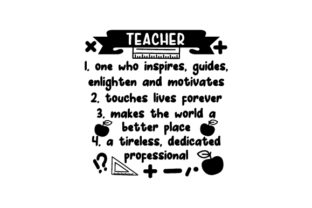
When evaluating a new machine embroidery design for my shop, I look past the digital preview and imagine the needle hitting fabric. The "Teacher One Who Inspires, Guides, Enlighten and Motivates" design immediately caught my attention as a potential staple for the upcoming school season. As someone who creates custom apparel and personalized gifts for educators, I know that teacher appreciation items need to strike a delicate balance between professional respect and heartfelt warmth. This design, categorized under School Amp and Crafts, promises that emotional connection, but how does it translate from a digital file to a tangible finished product?
First Impressions and Visual Hierarchy
My initial assessment of this design focuses on its layout and readability. The phrase is long, containing four distinct verbs: inspires, guides, enlightens, and motivates. In embroidery, text-heavy designs can easily become cluttered or illegible if the font choices and spacing aren't optimized for thread. Visually, this design feels structured yet approachable. It avoids the chaotic energy of some novelty graphics, leaning instead into a clean aesthetic that suggests professionalism.
For an Etsy seller or craft business owner, this visual clarity is crucial. Customers browsing thumbnails need to read the sentiment instantly. The design’s composition appears balanced, which tells me it will likely digitize well without excessive jump stitches or awkward tension pulls. It feels like a versatile asset that could serve as a standalone statement piece or pair beautifully with a subtle icon or border, depending on the specific embroidery project you have in mind.
Real-World Application: The Canvas Tote Test
To truly judge this design, I mentally placed it on a 12oz natural canvas tote bag—a bestseller for teacher gifts and conference swag. Totes offer a stable, woven surface that generally handles stitch density well, making them ideal for testing text-based designs. In this scenario, I envision the design centered about three inches down from the top seam to account for the bag's fold when carried.
Stitching this out on canvas requires careful stabilizer selection. Because the design involves multiple lines of text, I would use a medium-weight cut-away stabilizer rather than tear-away. Tear-away can leave residue behind intricate lettering or cause puckering on dense fill areas. The goal is a flat, smooth finish that looks high-end. If the design includes any satin stitch elements for emphasis, the canvas texture provides enough grip to prevent the stitches from sinking, ensuring the message remains crisp and legible from a distance. This application transforms a simple utility item into a meaningful personalized gift that a teacher would actually be proud to carry to the library or staff meetings.
Sweatshirts and Apparel Considerations
Moving from woven canvas to knit fabrics changes the variables entirely. If you plan to use this design for sweatshirt embroidery or crewneck sweatshirts, you must account for stretch. Knit fabrics are unforgiving with dense text. Before running a production batch for your small shop product line, verify that the embroidery file has appropriate underlay stitching. Without proper underlay, letters can distort or sink into the fleece backing.
I recommend testing this design on a scrap piece of similar weight fleece first. Check if the smaller words like "and" or connecting elements maintain their integrity. Sometimes, to preserve clarity on apparel, we need to slightly increase letter spacing or simplify decorative flourishes. A successful custom apparel piece should feel soft against the skin; if the design is too dense, it creates a stiff "bulletproof vest" effect that customers dislike. For lighter t-shirts, consider whether a running stitch or redwork version of this design might be more appropriate than a full fill stitch to prevent fabric distortion.
Navigating Fabric Limitations and Hoop Sizes
While this design shines on stable mediums, there are environments where I would advise caution. Detailed text designs like "Teacher One Who Inspires, Guides, Enlighten and Motivates" can struggle on highly textured fabrics like terry cloth towels or plush blankets unless you use a water-soluble topping. Without that topping, the loops of the towel can poke through the stitches, breaking up the words and reducing perceived value.
Hoop size is another critical constraint. Ensure you check the dimensions of the digital embroidery file before purchasing or stitching. If you are working with a standard 4x4 hoop, confirm the design fits comfortably within the safe area, leaving room for hooping margins. Trying to squeeze a multi-line quote into a maximum field often leads to registration errors or distorted edges. For caps or curved surfaces, this specific design might be challenging unless it was specifically digitized for cylindrical hoops. Flat text on a curved brim often results in gaps or overlapping stitches. Always prioritize designs specifically formatted for the intended substrate to maintain brand consistency and quality.
Color Contrast and Thread Selection
The impact of this design relies heavily on contrast. On a dark navy sweatshirt, white or gold thread makes the message pop. However, if you are stitching on a busy print or heathered fabric, the text may get lost. I always recommend creating a black-and-white printable mockup before committing to thread colors. This strips away color bias and reveals whether the design holds up based solely on value contrast. For commercial embroidery, sticking to classic, high-contrast combinations ensures the product photographs well for listings and looks expensive in person.
Technical Due Diligence for Makers
As a reviewer and maker, I cannot stress enough the importance of verifying technical specs. The product description notes availability in SVG, Transparent PNG, EPS, and DXF formats. These are primarily vector and raster graphic formats excellent for screen printing, vinyl cutting, or sublimation. However, they are not native machine embroidery formats like PES, DST, JEF, or EXP.
If you intend to stitch this design, you must confirm whether a digitized embroidery file is included or if you will need to digitize these vector assets yourself. Do not assume an SVG will automatically convert to stitches without manual intervention. Digitizing text for embroidery requires specific parameters regarding pull compensation and stitch direction that generic auto-digitizing software often misses. If you are buying this as design assets to create your own applique design or embroidery layout, these vector files are perfect. But for direct stitching, clarify the file type to avoid disappointment.
Licensing and Commercial Integrity
Finally, consider the ethical and legal side of using this design. Whether you are an Etsy seller, a boutique owner, or a hobbyist making holiday embroidery gifts, always review the license terms. Can you sell finished products? Can you use the image in marketing materials? Respecting intellectual property builds trust with your customer base. Furthermore, test the design’s washability. Teacher items get used. Run a test sample through a wash cycle to ensure the threads don’t bleed or unravel. A handmade product that survives laundry day earns repeat customers; one that falls apart damages your reputation.
Ultimately, "Teacher One Who Inspires, Guides, Enlighten and Motivates" offers a beautiful sentiment for the education niche. By approaching it with technical mindfulness—checking formats, testing on appropriate fabrics, and respecting stitch physics—you can elevate this design from a simple digital download to a cherished, professional-grade keepsake.