School Bag Glyph Vector Icon: An Embroidery Review
First Impressions for Stitch-Based Projects
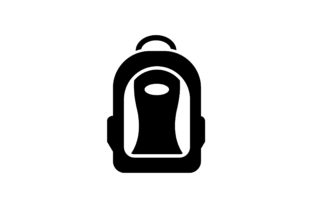
As a designer who spends more time behind an embroidery hoop than a computer monitor, I approach every new graphic asset with a specific question: will this actually stitch out cleanly? When evaluating the School Bag Glyph Vector Icon, my immediate focus is on its structural integrity as a potential machine embroidery design. This icon presents a clean, organized aesthetic that suggests versatility. The lines appear deliberate rather than overly ornate, which is often the first indicator of a successful digitizing process. For those of us creating custom apparel or personalized gifts, a glyph needs to read clearly from a distance and up close. This design strikes a balance between playful nostalgia and modern minimalism, making it a strong candidate for back-to-school collections, teacher appreciation items, or academic-themed merchandise.
The visual personality of this School Bag Glyph Vector Icon feels approachable yet professional. It avoids the cluttered look that often plagues novelty graphics, suggesting that when converted into an embroidery file, it will likely maintain distinct shape definition. For an Etsy seller or small shop product creator, this clarity is vital. Customers need to instantly recognize the motif as a school bag without squinting at muddy details. Whether intended for a tote bag design or a subtle chest logo on a polo, the glyph’s proportions seem well-suited for scaling, provided the digitizer respects the original vector paths during conversion.
Real-World Application: The Custom Tote Bag Test
To truly understand the value of this graphic, I mentally placed it in a real-life production scenario. Imagine preparing a batch of canvas tote bags for a local library fundraiser or a boutique’s autumn collection. Canvas is a forgiving but textured substrate. If I were using the School Bag Glyph Vector Icon for this embroidery project, I would be looking at how the shapes interact with that fabric texture. A solid fill stitch might get lost in the weave, whereas a combination of satin stitch borders and strategic running stitch details would allow the icon to pop without becoming bulletproof or stiff.
In this scenario, the icon serves as more than just decoration; it communicates function and theme. For a handmade product like a personalized teacher tote, the design needs to feel bespoke. Because this asset is categorized under Icons and Graphics, it offers the flexibility to be paired with text or used as a standalone emblem. I can envision this working beautifully as a centered 3x3 inch motif on a natural canvas bag. The key here is contrast. Using a deep navy or forest green thread against unbleached canvas would highlight the glyph’s silhouette effectively. However, if the design relies too heavily on internal detail, that contrast might fail. Based on the "well organized" description, I am optimistic that the negative space is managed well enough to prevent the stitching from becoming dense and puckered on heavier fabrics.
Navigating Fabric Variables and Hoop Constraints
While the School Bag Glyph Vector Icon appears robust, experienced makers know that performance varies wildly by substrate. You must exercise caution when applying this design to stretchy knits or lightweight baby clothes. If you are planning baby embroidery or sweatshirt embroidery, the stabilizer choice becomes critical. A complex glyph on a ribbed knit sweatshirt requires a cut-away stabilizer to prevent distortion. If the icon has tight corners or small internal elements, they may pull the fabric even with proper stabilization. Always test on scrap fabric first. I cannot stress this enough for any commercial embroidery venture; what looks perfect on screen can tunnel or gap on pique knit or jersey.
Consider the hoop size limitations as well. While vectors are infinitely scalable, embroidery stitches have physical limits. If you shrink this School Bag Glyph Vector Icon down to a 1-inch patch for a cap or sleeve cuff, fine details may merge. Conversely, enlarging it significantly for a pillow cover or blanket may require re-digitizing to add fill stitches, otherwise, the outline might look sparse and disconnected. For curved surfaces like caps, ensure the glyph’s vertical alignment won’t distort when wrapped around the brim. Dark fabrics also present a challenge; if the icon uses light-colored fills, you may need an underlay base to prevent the dark fabric from showing through the stitches, which adds density and changes the hand-feel of the finished item.
Commercial Viability and Brand Consistency
For creative entrepreneurs and craft business owners, consistency builds trust. Using a cohesive set of design assets like this glyph helps establish a recognizable brand identity across different products. The School Bag Glyph Vector Icon fits neatly into seasonal rotations, particularly for holiday embroidery related to back-to-school sales. Its utility extends beyond physical goods; the included JPG and PNG files are excellent for creating printable mockups or digital product previews. Showing customers exactly how the icon looks on a virtual sweatshirt before they buy increases engagement and reduces returns.
However, professionalism hinges on execution. A jagged stitch-out or poor color matching devalues the entire finished product. When selling custom apparel or embroidered patches, inspect your test runs for registration errors. Does the outline meet the fill perfectly? Are the thread colors harmonious with the garment? These details signal quality to buyers. Furthermore, always verify licensing. Just because you possess the EPS and SVG files does not automatically grant permission to sell the digitized version itself. Confirm whether you can use this for digital embroidery file sales or only for physical end-products. Respecting intellectual property protects your business reputation and ensures sustainable growth in the maker community.
Essential Pre-Stitch Checklist for Makers
Before loading this design into your machine, run through these practical checks to ensure success:
- Verify File Compatibility: Ensure your software or machine can read the provided EPS or SVG formats, or confirm if a specific embroidery format conversion is needed.
- Check Stitch Density: If digitizing yourself, adjust density based on fabric weight; lighter fabrics need fewer stitches to prevent tearing.
- Test Contrast: Run a black-and-white simulation to see if the icon relies solely on color differentiation or if value contrast carries the design.
- Stabilizer Match: Pair tear-away for stable wovens and cut-away for knits; consider topping for high-pile fabrics like fleece.
- Size Validation: Measure the actual stitch area against your hoop and the intended placement zone on the garment.
- Mockup Review: Use the PNG file to create realistic listings or client approvals before committing thread to fabric.
- License Confirmation: Double-check terms regarding commercial use for both physical items and digital derivatives.
The School Bag Glyph Vector Icon represents a solid foundation for makers seeking versatile, thematic graphics. By approaching it with technical mindfulness and respecting the realities of thread and fabric, you can transform this digital asset into tangible, high-quality products that resonate with customers and withstand daily wear. Whether you are stitching a single personalized gift or fulfilling a bulk order for a school event, thoughtful preparation ensures this icon performs as beautifully in the hoop as it does on the screen.