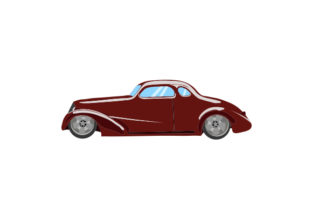
Old School Car: A Designer’s Stitch Test Review
When I first loaded the Old School Car file into my digitizing software, I wasn't just looking at lines and nodes; I was evaluating whether this graphic could survive the transition from screen to thread. As someone who reviews digital assets for both personal crafting and commercial production, my immediate concern is always translatability. A vector image might look crisp on a monitor, but embroidery is a tactile medium with physical limitations. This design, categorized under Garage and Crafts, carries a distinct nostalgic weight that appeals to a specific demographic, but its success depends entirely on execution.
The visual personality of this machine embroidery design strikes a balance between technical illustration and vintage charm. It doesn't feel overly cartoonish, nor is it photorealistic to the point of requiring 40,000 stitches. Instead, it sits in that sweet spot ideal for apparel and accessories. The silhouette suggests classic automotive curves, which usually translates well to satin stitch borders and fill stitch interiors. However, before I commit this to a client project or list it as a finished product in my Etsy shop, I have to run through a mental checklist of practical application.
Real-World Application: The Canvas Tote Test
To truly evaluate this asset, I imagined a specific scenario relevant to many small business owners and makers: creating a premium canvas tote bag for a local car show or a boutique merchandise line. Tote bags are fantastic for testing designs because the fabric is stable, yet the end-use involves wear and tear. For this tote bag design, the Old School Car needs to be more than just a pretty picture; it needs to be durable.
In this context, the design’s layout matters immensely. If the car is too wide, it risks distorting near the side seams of the bag. If the details are too fine, they might get lost against the natural texture of unbleached canvas. I found myself thinking about how this would pair with typography. Does the negative space allow for a custom name or date below the vehicle? For a personalized gift or a wedding favor for auto enthusiasts, that flexibility is non-negotiable. The design feels substantial enough to stand alone as a centerpiece on a sweatshirt or apron, but I would carefully consider scaling it down for baby embroidery or pocket-sized placements to ensure the wheel wells and grille details don't turn into muddy blobs of thread.
Fabric Compatibility and Stabilizer Strategy
Not every embroidery project can handle the same level of complexity. While the provided SVG, EPS, DXF, and Transparent PNG files offer versatility for cutting machines and print mockups, the embroidery adaptation requires scrutiny. When working with this Old School Car theme, fabric choice dictates your stabilizer strategy.
- Stable Fabrics: Denim, canvas, and twill are the safest bets. These materials support higher stitch density without puckering, allowing the vintage lines of the car to remain sharp.
- Stretchy Knits: If you are planning sweatshirt embroidery or t-shirts, you must use a cut-away stabilizer. The curves of an old-school vehicle often involve diagonal stitching that can pull knit fabric out of shape if not properly supported.
- Textured Surfaces: Avoid using this design on high-pile towels or fleece unless you add a water-soluble topping. The intricate details typical of garage aesthetics will sink into the nap, ruining the definition.
I also advise caution with dark fabrics. Unless the design includes a white underlay or is specifically digitized for dark garments, you may need to adjust your thread colors or add a backing layer to prevent the fabric color from muddying the design. Always test on scrap fabric first. This step saves money and builds confidence in your finished product.
Commercial Viability for Makers and Sellers
For the Etsy seller or creative entrepreneur, time is money. A design that causes registration issues or requires constant hoop adjustments eats into profit margins. The Old School Car aesthetic is evergreen in the niche market, making it a reliable asset for commercial embroidery. However, value comes from presentation.
Before listing items for sale, utilize the Transparent PNG and SVG files to create professional printable mockups. Customers need to visualize the scale and placement before they buy. Seeing the car design digitally rendered on a cap or pillow cover helps bridge the gap between imagination and purchase. Furthermore, if you are selling digital embroidery files derived from this asset, ensure you understand the licensing. Clarify whether you can sell the stitched-out physical items versus the digital file itself. Professionalism in licensing protects your craft business reputation.
Brand consistency is another factor. If your shop focuses on rustic or Americana themes, this design integrates seamlessly. If your brand is modern minimalist, you might need to simplify the color palette during stitching to match your aesthetic. The versatility of having vector source files means you can potentially adapt the artwork for laser engraving or vinyl decals, expanding your product line beyond just needle and thread.
Critical Technical Considerations Before Stitching
Even the best design assets have limitations. Based on the nature of automotive illustrations, here are specific areas where I recommend extra vigilance:
- Small Hoop Sizes: Be wary of resizing this design below 3 inches. Headlights, grilles, and hubcaps are detail-heavy. Reducing the size too much causes satin stitch columns to overlap and needles to break. Check the minimum recommended size before attempting baby clothes or mask embroidery.
- Curved Surfaces: Caps and sleeves present unique challenges. The horizontal span of a car design can distort on a curved brim. Consider rotating the design or using a specialized cap frame to maintain proportion.
- Washability: Garage-themed items like aprons and shop towels face harsh laundering. Ensure your top thread is polyester or rayon rated for industrial washing, and that your bobbin tension is balanced to prevent unraveling over time.
- Color Contrast: Vintage cars often feature chrome accents. Simulating chrome with thread is difficult. Test silver or grey threads against your base fabric to ensure the metallic elements read as shiny rather than dirty.
Elevating the Handmade Presentation
Ultimately, the goal of using a design like Old School Car is to create something that feels intentional and high-quality. Whether you are making a holiday embroidery gift for a gearhead relative or stocking shelves for a summer craft fair, the difference lies in the details. Inspect your test stitch-outs for jump stitches that should have been trimmed. Verify that the outline registration aligns perfectly with the fill areas. These micro-adjustments signal to the buyer that this is a premium handmade product, not mass-produced fast fashion.
The inclusion of multiple file formats (SVG, EPS, DXF, PNG) suggests this asset is designed for multi-disciplinary creators. Use the vectors for coordinating iron-on transfers or packaging stickers to create a cohesive unboxing experience. When customers see consistent branding across your embroidered patches, apparel tags, and thank-you cards, trust increases. This design has the potential to be a cornerstone piece in a garage-themed collection, provided you approach it with the technical respect embroidery demands.
Remember, no digital file replaces the judgment of the maker. Your machine, your thread, and your fabric combination are unique variables. Treat the Old School Car design as a collaborative partner in your creative process. Test thoroughly, document your settings, and let the nostalgia of the subject matter shine through superior craftsmanship. By validating the design through real-world application rather than assuming plug-and-play perfection, you ensure that every stitch honors both the art and the artisan.