Math Test with a B: Embroidery Design Review
When I first opened the files for Math Test with a B, I wasn't just looking at a digital asset; I was evaluating whether this design could survive the transition from screen to fabric without losing its charm. As someone who has digitized and stitched countless school-themed projects, I know that academic motifs walk a fine line. They need to be legible and structured enough to read as "math," yet soft and playful enough to fit within the School Amp aesthetic that parents and teachers actually want to wear or gift. This review breaks down my practical experience testing this design for real-world Crafts applications, specifically focusing on how it performs when you move beyond the preview and start hooping fabric.
First Impressions and Visual Personality
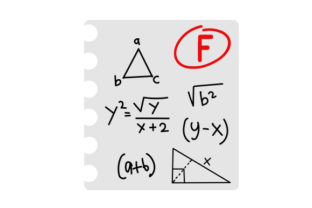
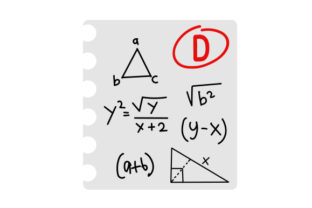
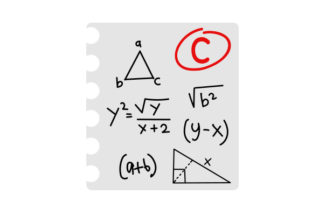
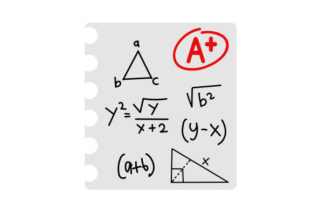
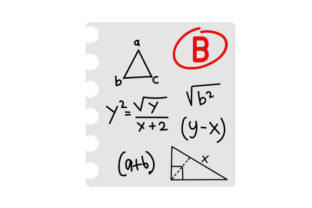
The immediate mood of Math Test with a B is nostalgic yet celebratory. It captures that specific feeling of childhood academic achievement without feeling rigid or overly institutional. Visually, the layout suggests a balanced composition where the letter 'B' acts as an anchor for the surrounding mathematical elements. For an embroidery designer, this hierarchy is crucial. If the math symbols compete too aggressively with the grade, the design becomes muddy once thread hits fabric. Fortunately, this design seems to understand negative space, which is vital for maintaining clarity in machine embroidery.
From a stylistic perspective, it avoids the trap of looking like a generic clip-art dump. Instead, it feels curated for handmade products. When I assess a design like this, I am looking for intentionality in the line work. Does the running stitch defining the paper edge look deliberate? Are the numbers sized appropriately for satin stitch columns, or will they require fill stitch that might get lost on textured fabrics? The visual personality here leans towards vintage scholastic, making it an excellent candidate for personalized gifts that feel timeless rather than trendy.
Real-World Application: The Custom Sweatshirt Test
To truly evaluate Math Test with a B, I mentally placed it in a high-stakes scenario: creating a custom embroidered sweatshirt for a third-grade teacher’s end-of-year gift. Sweatshirts are a staple for Etsy sellers and small shop owners, but fleece and French terry can be unforgiving. In this real-life case, the design needs to hold its own against the loft of the fabric.
I envision stitching this centered on the chest of a heather grey crewneck. The contrast between dark navy thread and the grey background would make the 'B' pop, while lighter cream thread for the math equations would add necessary depth. In this application, the design serves as more than just decoration; it becomes a storytelling element. Parents buying custom apparel want that emotional connection. If the stitching is crisp and the 'B' is perfectly formed, the perceived value of the finished product skyrockets. However, if the small numerals sink into the fleece pile, the customer perceives it as low-quality. This is why checking your stabilizer choice is non-negotiable with this specific motif.
Where to Exercise Caution in Production
While Math Test with a B is versatile, my experience tells me there are specific environments where you must tread carefully. Academic designs often contain intricate details—decimal points, fraction bars, and serif fonts—that do not forgive poor execution.
- Textured and Stretchy Fabrics: Avoid using this design on highly textured terry cloth or ribbed knits without significant modification or heavy stabilizer. The fine lines typical of math tests can disappear or distort.
- Small Hoop Sizes: If you are attempting to resize this down for a baby onesie or a pocket logo, verify the smallest text height. Letters below 0.25 inches often become illegible blobs in embroidery. Always test scale before committing to a production run.
- Curved Surfaces: Stitching this on a structured cap requires caution. The flat nature of a "test paper" aesthetic fights against the curve of a hat brim. If you attempt this, use a curved backing and ensure the design center aligns perfectly with the cap's seam.
- Dark Fabrics: Be mindful of thread color contrast. White thread on black fabric can sometimes cause tension issues or show bobbin thread if not adjusted. A tear-away topping is essential here to prevent stitches from sinking.
Impact on Business Value and Customer Trust
For creative entrepreneurs and commercial embroidery businesses, the technical quality of Math Test with a B directly correlates to brand reputation. Customers may not understand stitch density or underlay types, but they absolutely recognize when a design looks professional versus amateur. A clean stitch-out of this design signals competence. It tells the buyer that you understand the medium.
Furthermore, this design has strong potential for digital product sellers. Because the package includes SVG, Transparent PNG, EPS, and DXF formats, it bridges the gap between embroidery and print. You can create cohesive collections where a tote bag features the embroidered version and a matching notebook uses the printable mockup or vinyl cut file. This consistency builds brand recognition. When an Etsy seller offers a unified aesthetic across different mediums, it increases average order value and encourages repeat business. The transparency of the PNG file also allows for easy creation of listing photos, helping buyers visualize the final result before purchasing.
Practical Designer Notes for Success
Before you load Math Test with a B into your machine for a client order, run through this professional checklist. These steps separate hobbyists from reliable makers.
- Verify File Compatibility: While SVG, PNG, EPS, and DXF are provided, these are primarily vector and image formats. Confirm you have converted them to your specific machine’s embroidery format (PES, DST, JEF, etc.) using reliable digitizing software. Do not assume auto-conversion preserves stitch integrity.
- Stitch-Out on Scrap First: Never stitch a new design directly onto a sellable item. Use a scrap of the exact fabric and stabilizer combination you plan to use for the final project. Check for registration errors between color changes.
- Evaluate Thread Colors: Test the design in both high-contrast and tonal colorways. Sometimes a monochromatic approach looks more sophisticated on boutique items than the traditional red-pen-on-white-paper look.
- Check Licensing Terms: Before listing finished products or digital assets derived from this design, review the original license. Ensure you are cleared for commercial embroidery sales if that is your intent.
- Mockup Testing: Use the transparent PNG to create realistic mockups. Overlay it on photos of actual blank garments to check placement and size ratios. What looks good on a computer screen might look tiny on an adult XL sweatshirt.
Final Thoughts for Makers
Math Test with a B represents a solid opportunity for crafters and apparel decorators looking to tap into the education niche. Its strength lies in its specificity; it isn't just a generic school icon, but a celebration of effort and grading that resonates emotionally. Whether you are creating holiday embroidery for teachers, crafting personalized gifts for students, or building inventory for a craft business, success depends on respecting the technical demands of the design. By paying attention to fabric texture, stabilizer choices, and proper scaling, you can transform this digital file into a tangible, high-value product that customers will cherish. Remember, in the world of handmade goods, the difference between a good design and a great finished product is always in the execution.